Suburb Investment Report
Randwick, New South Wales
Randwick Suburb Investment Report
TopBuyers Research Team · Published 7 June 2026 · Last reviewed June 2026
Randwick is a premium, established eastern-suburbs location about 6 km south-east of the Sydney CBD, close to Coogee and the eastern beaches. It is anchored by the University of New South Wales, the Prince of Wales hospital and health precinct, Randwick Racecourse, and the L2/L3 light rail to the CBD. This report assesses pricing, rental metrics, the suburb profile and practical investment positioning for buyers evaluating Randwick in 2026.
Median House Price
Median Unit Price
House Gross Yield
Unit Gross Yield
5yr House Growth (LGA)
Vacancy Rate
Overview
Randwick is a premium, unit-led market — a world away from Western Sydney pricing. Scarce, expensive freestanding houses command multi-million-dollar prices, while a deep apartment market drives most sales around the university, hospital and light rail. Both segments are capital-growth and lifestyle plays rather than yield plays, underpinned by an affluent, professional, beachside-adjacent demographic.
The current median house price is around $3,600,000, with median house rent near $1,500 per week and a very low gross rental yield of about 2.1 percent. Units sit near a $1,270,000 median price, median rent of roughly $875 per week, and a gross rental yield around 3.7 percent. Randwick is primarily a prestige capital-growth and lifestyle market — its appeal is location, scarcity and amenity rather than rental income.
For most investors, the practical takeaway is straightforward: houses are better suited to long-term capital growth if budget permits, while units make more sense for affordability and yield. Better-performing properties are still likely to be those close to transport, shopping, schools and employment corridors rather than simply any property within the postcode.
Market Data
| Metric | Houses | Units |
|---|---|---|
| Median price | $3,600,000 | $1,270,000 |
| Annual growth | ~5% p.a. (5yr) | 1.0% |
| Median rent | $1,500/week | $875/week |
| Gross rental yield | 2.1% | 3.7% |
| Recent sales volume | ~166 sales/yr | ~437 sales/yr |
Source: Domain & realestate.com.au suburb data, as at June 2026. Figures are medians and may revise as new sales settle.
Randwick’s sales are led by units — roughly 437 unit sales a year versus about 166 houses — reflecting a built form rich in apartments near the university, hospital and light rail. Freestanding houses are scarce and trade at multi-million-dollar prices, making them a prestige, land-banked asset class, while the deep unit market is where most investors and owner-occupiers actually transact.
Randwick has been a long-term capital-growth performer, underpinned by extreme land scarcity, proximity to the CBD and beaches, and major institutional anchors — UNSW, the Prince of Wales hospital precinct and the racecourse. The light rail has further improved connectivity. Prices are high and yields low, so returns come overwhelmingly from capital growth and lifestyle demand rather than rental income.
Suburb Profile & Demographics
Randwick functions as a premium institutional and lifestyle hub rather than a typical residential suburb. It is anchored by the University of New South Wales, the Prince of Wales hospital and health precinct, Randwick Racecourse, the light rail and proximity to Coogee and the eastern beaches — a combination that drives deep, affluent and consistent demand from professionals, students and medical staff.
| Demographic (2021 Census) | Randwick (suburb) |
|---|---|
| Population | 28,943 |
| Median age | 36 years |
| Families | 7,224 |
| Avg. household size | 2.2 people |
| Median weekly household income | $2,422 |
| Median weekly rent | $572 |
| Dwelling mix | Apartment-dominated, with scarce freestanding houses |
| Tenure | ~46.8% owner-occupied · ~44% rented · ~9% other |
Source: 2021 Census of Population and Housing (Randwick suburb, SAL13325). Suburb-level 2026 Census data is not yet released, so current figures may differ.
The numbers describe an affluent, highly educated, professional market with smaller households, high incomes and a near-even owner-occupier/renter split. A large student and medical-worker population (UNSW and the hospital precinct) sits alongside established owner-occupier families. For investors, this means deep, premium rental demand and strong resale depth — though the very high entry prices and low yields make this a capital-growth and lifestyle market, not a cash-flow one.
Infrastructure & Transport
Randwick is connected to the Sydney CBD by the L2/L3 light rail and frequent bus services, and sits close to the eastern beaches. Its institutional anchors — the University of New South Wales, the Prince of Wales and Royal Hospital for Women precinct, and Randwick Racecourse — underpin employment, study and rental demand, while proximity to Coogee and the CBD supports premium long-term values.
How Randwick Compares
Randwick sits at the premium, eastern-suburbs end of the Sydney market — well above the Western Sydney suburbs covered on TopBuyers. The table below puts its pricing in context.
| Suburb | Median (indicative) | Report |
|---|---|---|
| Randwick | $3,600,000 house · $1,270,000 unit | This report |
| Castle Hill | $2,150,000 house · $1,015,000 unit | View → |
| Parramatta | $1,700,000 house · $620,000 unit | View → |
| Blacktown | $1,175,000 house · $517,000 unit | View → |
| Penrith | $1,100,000 house · $590,000 unit | View → |
Indicative medians for comparison only; see each suburb report for the full figures and basis. Verify against your live data before publishing.
Randwick in Pictures
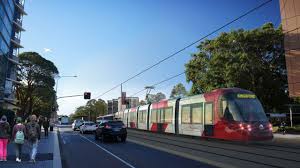
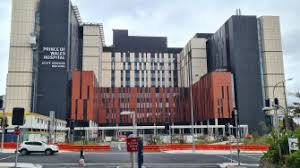
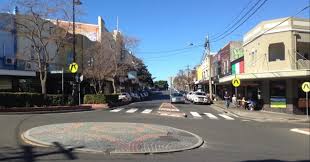
A snapshot of Randwick — the town centre and light rail, the UNSW and hospital precinct, and a typical residential streetscape.
SWOT Analysis
Strengths
- Premium eastern-suburbs location near the CBD, UNSW, the hospital precinct and the eastern beaches.
- Extreme land scarcity and affluent demographics support strong long-term capital growth.
- Deep, premium rental demand from professionals, students and medical staff.
- Light rail and major institutions provide durable, recession-resilient demand.
Weaknesses
- Very high prices (houses ~$3.6M) and low yields (~2.1% houses) require substantial capital and limit the buyer pool.
- Yields are too low for cash-flow strategies; returns rely almost entirely on capital growth.
- Older apartment stock can carry strata, defect and maintenance issues that vary widely by building.
Opportunities
- Scarce freestanding houses near the beaches and CBD may continue to benefit from prestige demand and land value.
- Well-selected apartments near UNSW, the hospital and light rail offer durable rental demand and a lower entry point.
- Value-add renovation of older units or houses can lift both rent and capital value in a supply-constrained market.
Threats
- Rising rates hit prestige markets hardest, where prices are most stretched relative to income and yield.
- Older or poorly built apartments can underperform, with strata defects and high levies a real risk.
- A high entry price concentrates capital in a single premium asset, reducing diversification.
Buyer Strategy
Growth-focused buyer. This is the core Randwick play for those with the capital. Scarce freestanding houses near the beaches, parks and CBD are prestige, land-banked assets where scarcity drives long-term growth. Accept very low yields (~2.1%) as the trade-off, prioritise position and land, and plan for a long hold.
Yield-focused buyer. Randwick is not a yield market — even units only reach about 3.7 percent and houses far less. If cash flow is the priority, the more affordable, higher-yielding Western Sydney suburbs are a better fit. Within Randwick, a well-located apartment near UNSW, the hospital and light rail is the most income-friendly option, but expect growth and lifestyle, not income, to drive returns.
Balanced buyer. Consider quality apartments or semis in well-located, well-managed buildings that appeal to both professional renters and owner-occupiers — capturing Randwick’s prestige growth at a lower entry point than a house. Favour proximity to UNSW, the hospital, light rail and beaches, and avoid older blocks with defect or strata risk.
Due Diligence Checklist
- Compare the target property against recent nearby comparable sales.
- Review flood, zoning and planning overlays where relevant.
- Check rail, bus, school and shopping access in walk or short-drive terms.
- For units, inspect strata levies, sinking-fund health, defect history and owner-occupier ratio.
- Validate rent assumptions using current leasing stock, not only historical median rent figures.
Investment View
Randwick is a blue-chip, capital-growth and lifestyle market rather than an income play. The strongest case is for owner-occupiers and well-capitalised long-term investors who value an eastern-suburbs position, institutional anchors and beach proximity over rental yield.
For buyers with substantial capital and a long hold horizon, scarce freestanding houses are the prestige core — land and location drive long-term growth despite very low yields. For buyers seeking a lower entry point, well-chosen apartments near UNSW, the hospital and light rail offer durable demand, accepting that growth and lifestyle, not income, drive returns.
On balance, Randwick is best suited to owner-occupiers and growth-focused investors who want a blue-chip eastern-suburbs position with elite institutions, transport and beach access — not to those chasing rental yield. The location, scarcity and demographics are powerful positives, but the very high entry price and low yields mean returns depend on long-term capital growth and careful stock selection.
Frequently Asked Questions
Is Randwick a good place to invest?
Randwick is a premium eastern-suburbs market with strong long-term capital growth, anchored by UNSW, the Prince of Wales hospital precinct, the light rail and proximity to the CBD and beaches. It suits owner-occupiers and well-capitalised growth investors rather than yield-seekers.
What is the median house and unit price in Randwick?
The median house price in Randwick is around $3,600,000, while units sit near $1,270,000 — a premium, eastern-suburbs market well above Western Sydney (Domain & realestate.com.au, June 2026).
What rental yield can investors expect in Randwick?
Yields are low: houses return about 2.1% gross and units around 3.7%. Randwick is a capital-growth and lifestyle market, so returns come mainly from price appreciation rather than rental income.
Is Randwick good for first-home buyers?
Houses are out of reach for most first-home buyers at around $3.6M. Smaller or older apartments offer a more accessible entry point, but Randwick remains a premium market by any measure.
What infrastructure serves Randwick?
Randwick has the L2/L3 light rail to the Sydney CBD, frequent buses, the University of New South Wales, the Prince of Wales hospital and health precinct, and Randwick Racecourse, plus easy access to Coogee and the eastern beaches.
Should I buy a house or a unit in Randwick?
It depends on your goal and budget. Freestanding houses are the prestige, growth-oriented core but require multi-million-dollar capital. Apartments near UNSW, the hospital and light rail are more accessible and have durable rental demand, though growth rather than income drives returns either way.
Buying in Randwick?
Connect with experienced buyer agents who specialise in the Randwick and eastern-suburbs market.
Market figures are point-in-time estimates and should be verified against current source data before making any purchase decision. This report is general information, not financial or investment advice.
Buying in Randwick, New South Wales?
Connect with buyer agents who specialise in this market.
Find local agents